


The Debt Spiral in Bangladesh’s Microfinance system has become a growing concern for policymakers, researchers, and practitioners. To assess its scale, causes, and implications for indebted households, an Inception Seminar titled “Debt Spiral in Bangladesh’s Microfinance: An Assessment of Its Size, Implications, and Remedial Measures” was held on 08 January 2026 at the Microcredit Regulatory Authority (MRA) Conference Room, Dhaka.
The seminar marked an important step toward evidence-based solutions to strengthen the microfinance sector and protect vulnerable borrowers.
High-Level Participation and Leadership
The seminar brought together senior government officials, economists, researchers, and practitioners from the banking and NGO-MFI sectors.
- Chief Guest: Ms. Nazma Mobarek, Secretary, Financial Institutions Division, Ministry of Finance, Government of Bangladesh
- Session Chair: Professor Dr. Mohammad Helal Uddin, Executive Vice Chairman, MRA
Renowned national and international economists and researchers including TMSS Executive Director Prof. Dr. Hosne-Ara Begum shared expert presentations and policy perspectives.
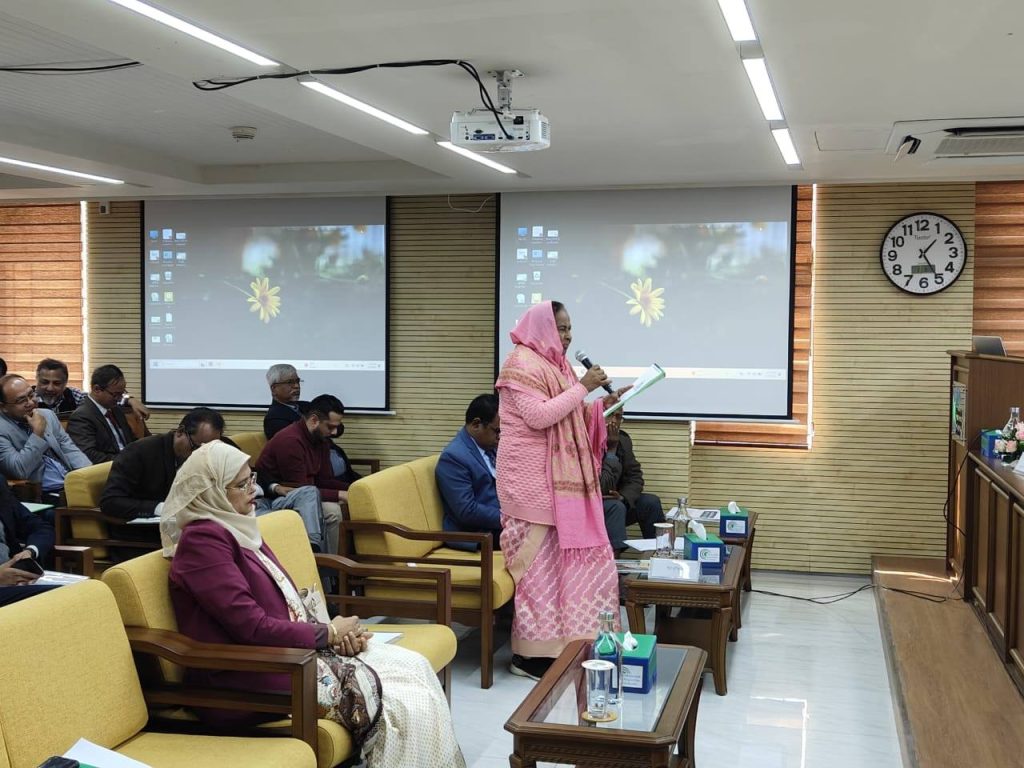

Role of Research and Stakeholder Engagement
Participants from government banks, NGO-MFIs, and research institutions actively engaged in discussions. They provided practical field-based insights to strengthen the research design.
The study is jointly supported by Economic Research Group (ERG) and MRA. It aims to deliver a strong applied research framework that reflects real operational challenges in the microfinance sector.
Understanding the Debt Spiral at Household Level
Audience discussions emphasized the need for primary data analysis to understand how debt cycles affect borrowers’ lives.
Key household-level dimensions highlighted include:
- Ability to achieve dreams and aspirations
- Growth of assets and savings
- Peace of mind and financial stability
- Improvement in social dignity and wellbeing
Initial insights suggest that the debt spiral often traps borrowers’ hopes and aspirations, rather than enabling sustainable progress.
Diversity of Credit Delivery Models
Speakers stressed that microfinance research must recognize the operational heterogeneity of credit systems in Bangladesh. The study should consider these models in a homogeneous analytical framework:
- Government-subsidized loan programs
- Special banking credit schemes
- Cooperative-based lending systems
- Loans provided by MFIs
Each model differs in management structure, incentives, and borrower experience. Ignoring these differences may weaken policy recommendations.
Way Forward for the Microfinance Sector
Comprehensive and multi-dimensional research can help reposition microfinance as a credible poverty alleviation tool. Evidence-based reforms will reduce criticism, enhance accountability, and improve sectoral image.
The seminar reaffirmed the need for responsible lending practices, borrower protection mechanisms, and policy coordination across institutions.
The Debt Spiral in Bangladesh’s Microfinance is a complex but addressable challenge. This inception seminar laid a strong foundation for impactful research and informed policy dialogue. The outcomes are expected to guide future reforms and contribute to a more inclusive, ethical, and sustainable microfinance ecosystem in Bangladesh.

